Casey Peters · 18 September 2026
Migration Research Drives Expansion of Neighborhood Greening Programs in Multiple Districts
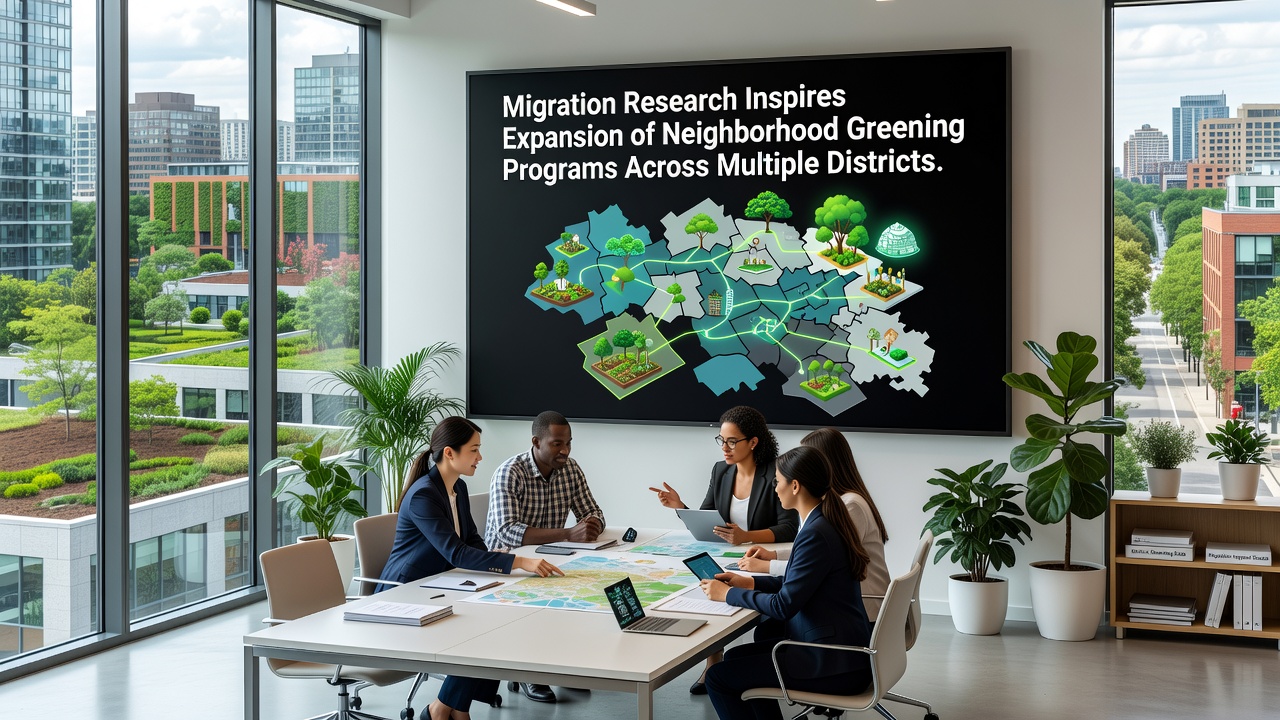
Research into population movement patterns has prompted several districts to scale up their neighborhood greening initiatives, with planners citing data that connects demographic shifts to the need for more accessible natural areas within urban settings. Officials across multiple jurisdictions have reviewed findings from longitudinal studies that track how new residents interact with local environments, and they have adjusted budgets accordingly to support tree plantings, community gardens, and park upgrades that began rolling out in late 2025 and continue through September 2026.
Key Findings from Migration Studies Shape Policy Decisions
Analysts at institutions focused on demographic trends have documented how influxes of residents from varied regions alter demand for recreational green space, with evidence showing higher usage rates in areas that previously lacked sufficient tree cover or walking paths. Districts that received these reports in early 2025 formed working groups to map existing vegetation against projected population growth, which led to targeted expansions rather than uniform citywide projects. One study released by the European Environment Agency highlighted correlations between migration-driven density increases and measurable declines in air quality indices, prompting local governments to prioritize plant species known for particulate filtration.
Implementation teams have since coordinated with landscape architects to select native and drought-resistant varieties that align with both environmental goals and maintenance budgets. These efforts have produced measurable results in pilot zones where canopy coverage rose by measurable percentages within the first growing season after installation.
Cross-District Coordination Expands Program Reach
Collaboration between adjacent districts has accelerated the pace of greening work, as shared data platforms allow officials to compare outcomes from similar migration profiles and adjust designs before full deployment. In September 2026 several councils approved joint funding mechanisms that pool resources for larger contiguous green corridors spanning former administrative boundaries. Project leads report that these corridors now connect previously isolated pocket parks, creating continuous routes that residents use for commuting and leisure activities.
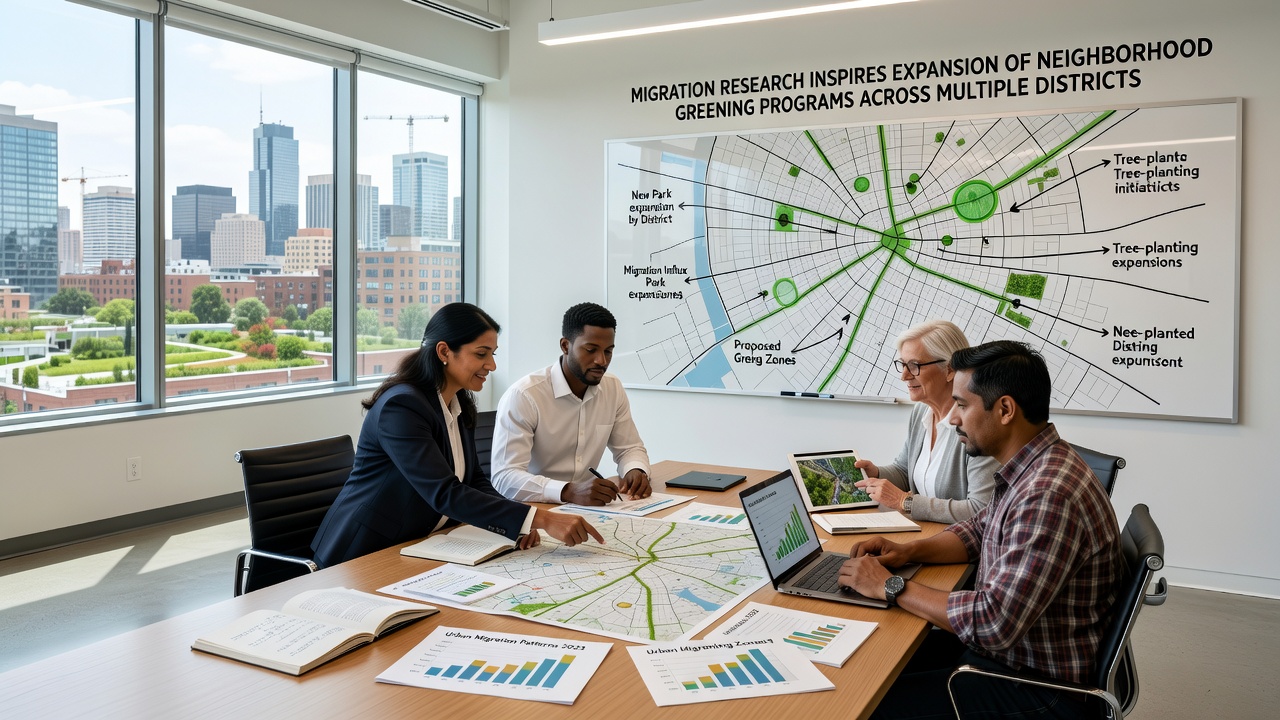
Training sessions for local volunteers have incorporated modules drawn from the same migration research, emphasizing cultural preferences for certain plant types and gathering spaces that emerged in survey responses. Districts report higher participation rates when events incorporate these preferences, which in turn supports ongoing stewardship of the new installations. Maintenance schedules now include quarterly assessments that track both ecological metrics and usage patterns collected through anonymized mobile data.
Funding Mechanisms and Timeline Updates
Budget allocations for the expanded programs draw from a combination of municipal bonds, federal environmental grants, and private contributions tied to development permits. Reports indicate that districts adopting these blended models have completed more phases on schedule than those relying on single-source funding. As of September 2026, three additional districts have announced they will replicate the approach after reviewing preliminary outcome data from the initial cohort.
Equipment procurement has shifted toward modular systems that allow rapid deployment in response to sudden demographic changes, reducing the lag time between study publication and on-the-ground action. Suppliers note increased orders for permeable paving materials and irrigation sensors that support the new green infrastructure standards.
Conclusion
Continued monitoring of migration trends will guide further refinements to these greening programs, with districts scheduled to release updated progress metrics at the end of each fiscal quarter. The approach demonstrates how research on population movement can translate into concrete urban improvements when integrated into routine planning cycles across multiple jurisdictions.