Taylor Wagner · 13 November 2026
Local Arts Collaborations Ignite Innovative Heritage Preservation Strategies in Neighborhood Green Spaces
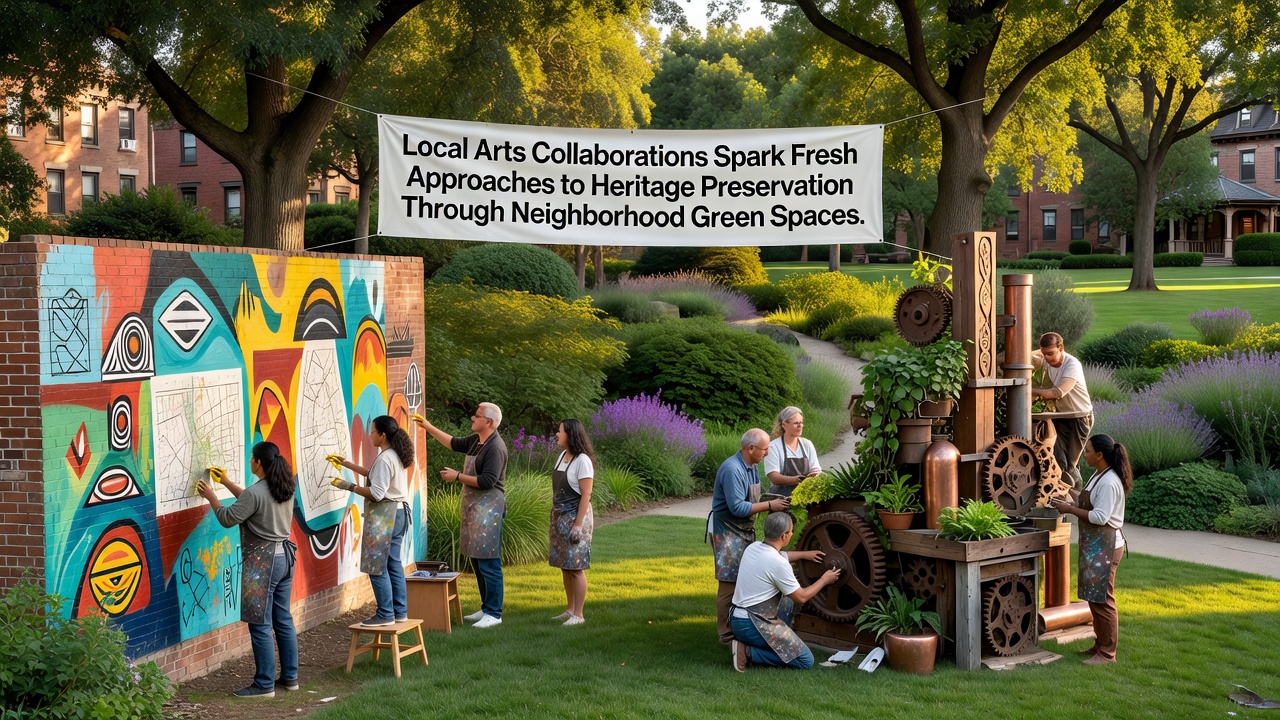
Local arts collaborations have begun reshaping heritage preservation efforts by integrating creative projects directly into neighborhood green spaces across multiple districts. These initiatives combine visual arts, performance, and community storytelling with the maintenance of parks and public gardens, creating spaces where historical narratives gain physical form through installations, workshops, and seasonal events. Data from municipal planning records show that participation rates in such programs rose steadily between 2024 and 2026, with over 12,000 residents engaging in at least one activity during the 2025 calendar year alone.
Observers note that partnerships between arts collectives and heritage organizations often start with small-scale mapping exercises that identify overlooked stories tied to specific trees, pathways, or water features within green areas. Once those elements surface, artists develop temporary or permanent works that highlight migration patterns, industrial histories, or indigenous land use. Researchers from regional universities have documented how these projects increase public awareness of local heritage markers by measurable margins, according to surveys conducted at three pilot sites.
Project Structures and Funding Mechanisms
Funding for these efforts typically flows through a mix of city grants, foundation support, and in-kind contributions from local businesses. One program launched in early 2025 received backing from the U.S. National Park Service for interpretive signage that doubled as sculptural elements. Similar efforts in other regions drew resources from the Australian Heritage Council, which allocated portions of its community grants toward green-space art projects emphasizing environmental history. Those who've tracked the budgets report that shared funding models reduce duplication while expanding the reach of both arts and preservation groups.
Workshops held in November 2026 introduced new protocols for co-designing installations that withstand seasonal weather while preserving ecological balance. Participants included landscape architects, oral historians, and neighborhood youth groups who mapped oral accounts onto digital models before translating them into physical features. The sessions produced templates now circulating among other municipalities considering comparable partnerships.
Case Examples from Multiple Districts
Take one district where an arts collective partnered with heritage volunteers to restore a former orchard within a pocket park. They planted heritage fruit varieties alongside interpretive panels created by local high-school students, then hosted monthly storytelling circles that drew consistent attendance throughout the growing season. Attendance logs indicate the events attracted visitors from adjacent neighborhoods who later volunteered for maintenance shifts.
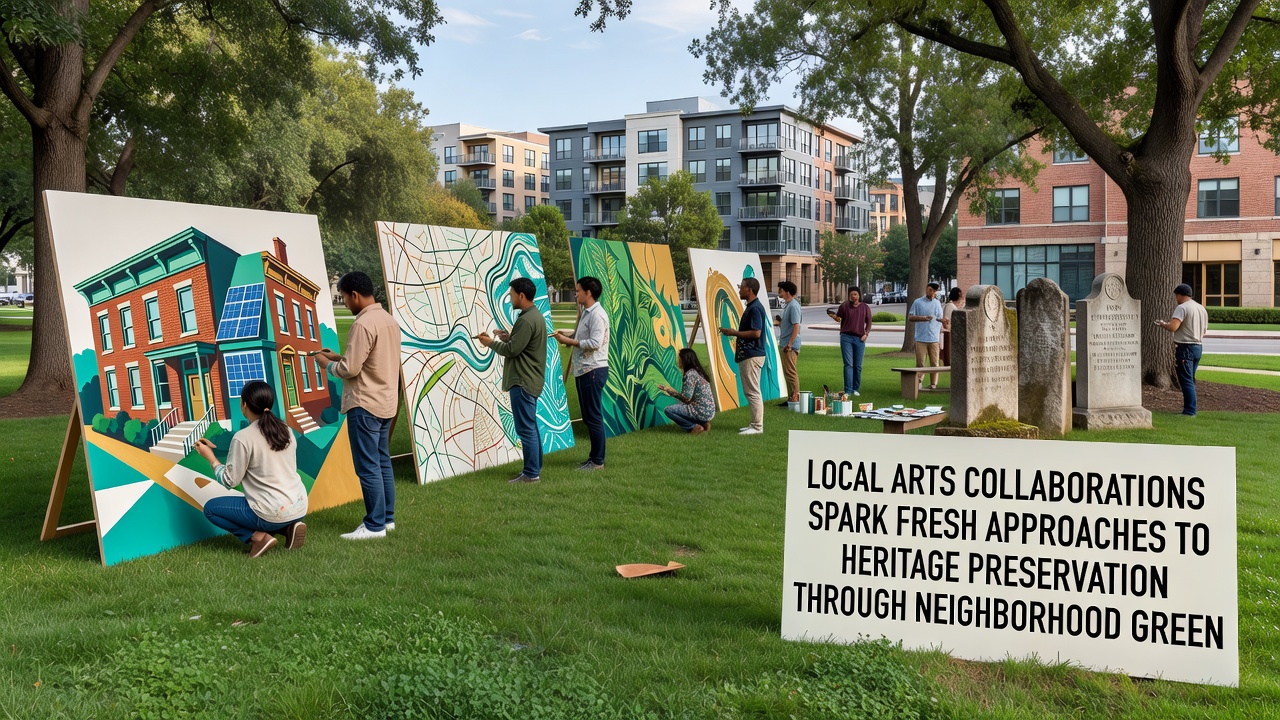
Another collaboration in a riverside green space focused on textile-based installations that incorporated patterns from 19th-century mill workers. Artists sourced reclaimed materials from nearby demolition sites and worked with elders to verify historical accuracy before weaving the pieces into shade structures. Follow-up studies by independent evaluators found that visitors retained more details about the area's industrial past after interacting with the textiles than after viewing traditional plaques alone.
Yet another example involves a series of soundwalks developed in partnership with a university ethnomusicology department. Participants followed mapped routes through green corridors while listening to layered recordings of oral histories, ambient nature sounds, and reconstructed period music. Figures released by the department show that repeat visitors increased by 28 percent in the six months following the soundwalk launch.
Measurement and Outcomes
Quantitative tracking relies on visitor counters, pre- and post-event surveys, and ecological monitoring conducted by local environmental groups. Evidence compiled through these methods indicates that green spaces hosting arts-heritage projects experience lower rates of vandalism compared with similar sites lacking programming. Soil and vegetation health metrics remained stable or improved when artist residencies included explicit ecological guidelines, according to reports issued by participating conservation teams.
Cross-district comparisons reveal that areas with sustained collaborations maintain higher volunteer retention for ongoing stewardship tasks. Those who've studied the data attribute part of the difference to the social connections formed during joint creative sessions, which extend beyond single events into recurring maintenance crews.
Conclusion
Local arts collaborations continue to generate documented approaches that link heritage preservation with the daily use of neighborhood green spaces. Ongoing data collection through 2026 and beyond will clarify which models scale most effectively across varying urban densities and demographic profiles.