Taylor Wagner · 2 October 2026
Budget Shortfalls Spur Unexpected Alliances Between Harlow Educators and Arts Groups Seeking Shared Funding Solutions
Budget constraints in Harlow have prompted educators and arts organizations to form partnerships that combine resources for grant applications and program development, with several joint proposals submitted during the 2025-2026 fiscal cycle. Data from local council records show education allocations reduced by 12 percent over the past three years while arts funding declined by 8 percent in the same period, creating incentives for collaboration across previously separate sectors.
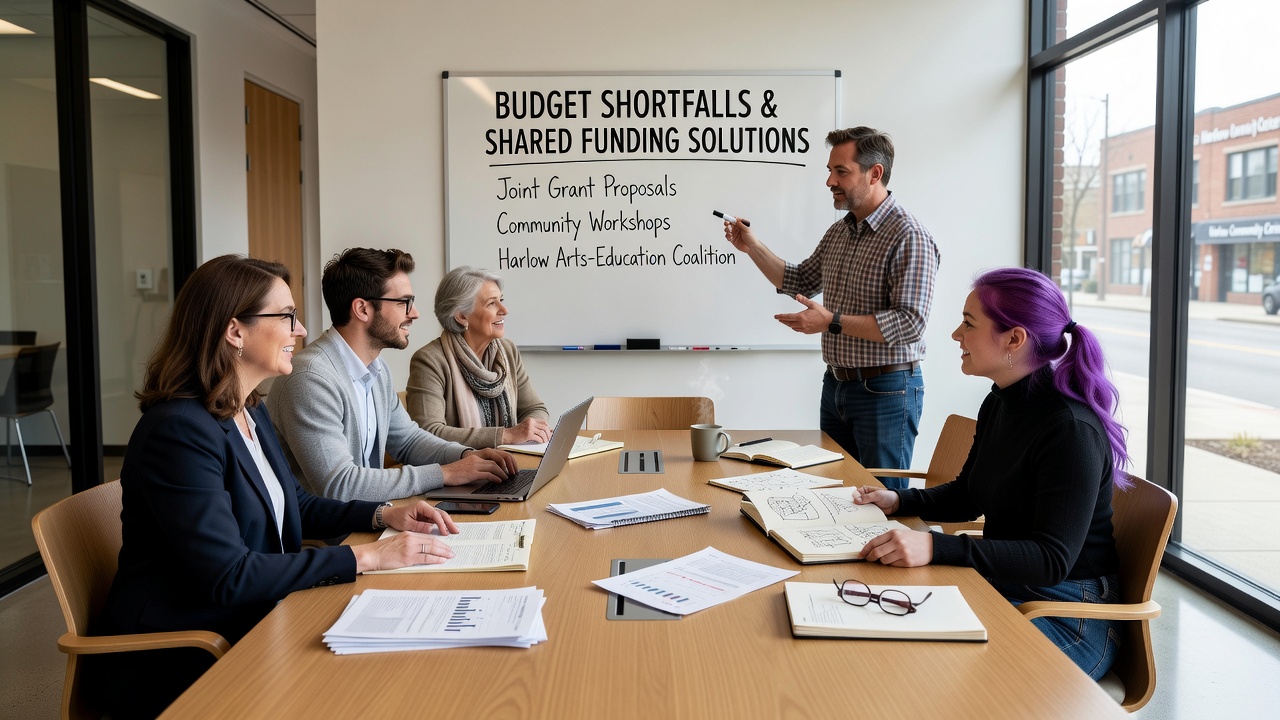
Representatives from Harlow schools and community arts groups began formal discussions in early 2025 after identifying overlapping needs in after-school programming and cultural education initiatives. These meetings led to the creation of a shared steering committee that coordinates applications to national and regional funds, including those administered by the Department for Education and Arts Council England.
Formation of Cross-Sector Working Groups
By spring 2026 working groups had established protocols for pooling administrative support and venue access, allowing schools to host arts workshops during underutilized hours while arts groups provided curriculum-aligned activities. Records from the Harlow Cultural Partnership indicate that five such joint projects received preliminary approval by September 2026, covering topics from local history storytelling to digital media production.
One project pairs science teachers with theater companies to develop performance-based lessons on environmental topics, using existing school facilities and arts group equipment. Another initiative focuses on music education, where instrument lending programs from arts nonprofits supplement reduced school budgets for extracurricular bands and choirs.
Funding Applications and Resource Sharing
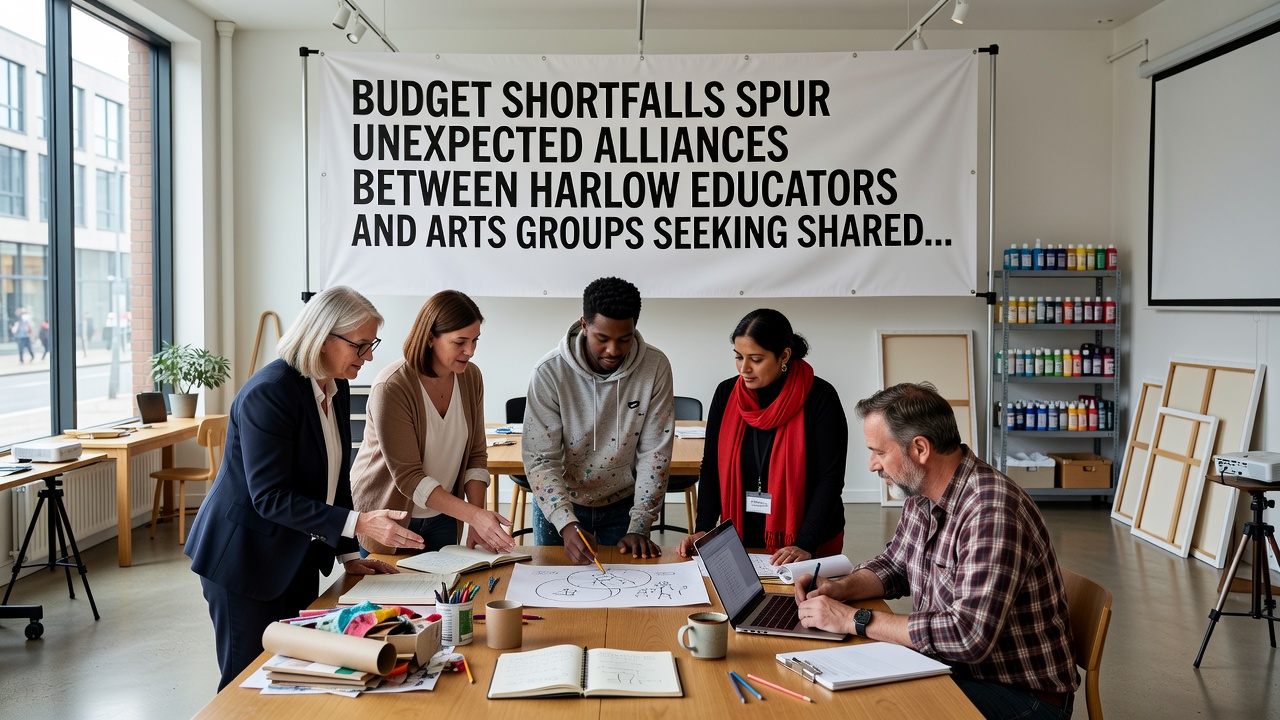
Grant submissions in October 2026 incorporated combined budgets that demonstrate cost efficiencies through shared staffing and materials, a requirement highlighted in guidelines from the UK Research and Innovation agency. Figures released by the Harlow Borough Council show that standalone applications from either sector had success rates below 25 percent in 2024, whereas paired proposals reached 40 percent approval in preliminary reviews.
Observers note that these alliances extend beyond funding requests to include data sharing on participant outcomes, with both educators and arts leaders tracking attendance and skill development metrics in unified reports. This approach aligns with evaluation frameworks used by the European Union's Creative Europe program, which funds cross-disciplinary projects across member states.
Implementation Challenges and Adjustments
Coordination efforts encountered scheduling conflicts and differing organizational priorities during the first six months of collaboration, prompting the adoption of monthly review meetings and standardized reporting templates. Local government documents record that these adjustments reduced administrative overlap by approximately 30 percent compared with earlier independent operations.
Training sessions held in summer 2026 introduced educators to arts facilitation techniques while arts professionals learned classroom management approaches, resulting in hybrid delivery models now used in three primary schools and two community centers. Participant surveys collected by the partnership indicate consistent attendance across the initial cohort of programs.
Broader Regional Context
Similar patterns of educator-arts cooperation have appeared in other Essex districts facing comparable fiscal pressures, according to a 2025 report issued by the Local Government Association. Harlow's model draws on lessons from those areas while adapting to specific community demographics that include higher proportions of families with school-age children.
Partnership leaders have scheduled public updates for late 2026 to present outcome data and outline plans for expanding eligible programs into secondary education settings. These updates will reference performance indicators tracked through the joint committee's monitoring system.
Conclusion
Current arrangements in Harlow demonstrate how budget reductions can accelerate structural changes in service delivery across education and cultural sectors. Ongoing applications and program evaluations will determine whether these alliances produce measurable gains in reach and sustainability through the remainder of the decade.